
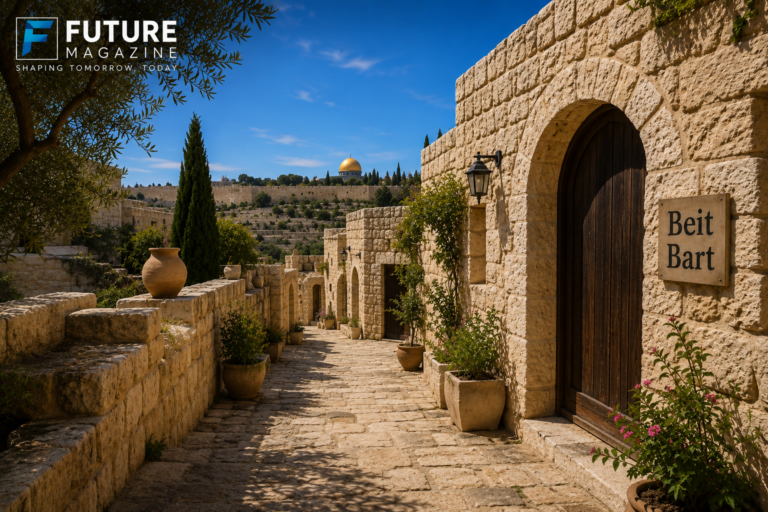

The name Beit Bart has been appearing more frequently in online searches and cultural discussions. But what exactly does it mean? Is it a place, a person, or something else entirely?
The term “Beit Bart” is not a person’s name. Rather, it is a fascinating name with deep cultural and linguistic roots. “Beit” means “house” in both Arabic and Hebrew. “Bart” is commonly understood as a name or a reference to a son or descendant. Together, Beit Bart translates to “House of Bart” or “Bart’s House”.
This interpretation goes beyond a simple physical structure. Beit Bart symbolizes a place of connection, safety, and shared purpose. It represents an environment where individuals feel welcomed and valued. This article explores the meaning, history, and cultural significance of Beit Bart, examining its various interpretations and why it has captured the attention of so many.
Table of Contents
-
What Is Beit Bart?
-
The Linguistic Meaning of Beit Bart
-
Historical Origins and Evolution
-
Beit Bart as a Cultural Hub
-
Architectural and Heritage Significance
-
Beit Bart in Modern Times
-
Culinary and Community Aspects
-
Why People Search for Beit Bart
-
Common Misconceptions
-
Key Takeaways
-
FAQ Section
-
Conclusion
What Is Beit Bart?
Beit Bart is a multifaceted term that can refer to different things depending on the context. At its core, it means “House of Bart” and symbolizes a place of belonging, safety, and community.
In some contexts, Beit Bart refers to a physical location — a historic village, a cultural center, or a community gathering place. In others, it represents a concept: a symbolic home that embodies values of hospitality, inclusivity, and shared heritage.
The term has gained traction in recent years, appearing in articles, cultural guides, and online discussions. Its versatility and rich connotations make it a subject of interest for historians, linguists, and cultural enthusiasts alike.
The Linguistic Meaning of Beit Bart
Understanding the meaning of Beit Bart requires examining its linguistic roots.
Beit: This word comes from both Arabic and Hebrew, where it means “house” or “home”. In Semitic languages, “beit” carries connotations of shelter, family, and community. It is a word that evokes warmth, safety, and belonging.
Bart: This component is less straightforward. It is commonly understood as a name — either a first name or a surname. In some interpretations, “bart” is seen as a nod to a son or descendant, reinforcing the idea of family and lineage. In other contexts, it may refer to a specific person or family associated with the place.
Together, Beit Bart means “House of Bart” or “Bart’s House”. This simple translation carries deep significance, suggesting a place that is not just a building but a home filled with meaning, memories, and connection.
Historical Origins and Evolution
The history of Beit Bart is layered and complex, reflecting the rich tapestry of the region where it is located.
Ancient Roots
Archaeological evidence suggests that the area known as Beit Bart has been inhabited since antiquity. The region’s strategic location made it a point of interest for various civilizations over the centuries.
Agricultural Settlement
According to some sources, Beit Bart was established several centuries ago as a communal agricultural settlement. Its historical narrative is marked by resilience and adaptive preservation. The community worked together to cultivate the land and sustain themselves, building a strong sense of shared identity.
Evolution Over Time
Over the years, Beit Bart served various purposes. It functioned as a local market, an art studio, and a gathering place for the community. Each era left its mark, contributing to the rich historical tapestry that defines Beit Bart today.
Preservation and Modern Identity
Today, Beit Bart is recognized as a living museum of history and culture. It represents tradition and perseverance, standing as a testament to the resilience of its community. Efforts to preserve its architectural and cultural heritage have ensured that Beit Bart remains a vibrant part of the region’s identity.
Beit Bart as a Cultural Hub
In contemporary times, Beit Bart has evolved into a vibrant cultural hub. It is a place where art, food, and community intersect.
A Space for Creativity
Beit Bart began as a vision to create a space where art and community could intersect. Founded in the heart of an eclectic neighborhood, it draws inspiration from diverse cultural backgrounds. Today, it hosts artists, musicians, and creators who contribute to its dynamic atmosphere.
Community Engagement
The organization behind Beit Bart is mission-driven, dedicated to making a meaningful impact. It serves as a gathering place where people can connect, share ideas, and build relationships. Whether through art exhibitions, workshops, or community events, Beit Bart fosters a sense of belonging and inclusivity.
A Destination for Visitors
Beit Bart has also become a destination for travelers seeking authentic cultural experiences. Its stunning landscapes, rich history, and array of cultural delights offer something for every visitor.
Architectural and Heritage Significance
Beit Bart is known for its historic architecture and untouched identity. The buildings and structures within Beit Bart reflect the region’s architectural heritage, showcasing styles and techniques that have been passed down through generations.
Traditional Design
The architecture of Beit Bart is characterized by traditional design elements that blend functionality with aesthetic appeal. Stone walls, arched doorways, and courtyards are common features, creating a sense of harmony with the natural landscape.
Preservation Efforts
Efforts to preserve Beit Bart’s architectural heritage have been ongoing. These initiatives ensure that the unique character of the area is maintained for future generations. Preservation work includes restoring historic buildings, documenting traditional construction methods, and promoting awareness of the region’s architectural significance.
A Living Museum
Beit Bart is often described as a living museum. Its buildings and landscapes tell the story of the community that has called it home for centuries. Walking through Beit Bart is like stepping back in time, offering a glimpse into the past while remaining firmly rooted in the present.
Beit Bart in Modern Times
In the modern era, Beit Bart continues to evolve while staying true to its roots. It has adapted to contemporary needs while preserving its cultural and historical identity.
A Growing Online Presence
The term Beit Bart has gained traction online, appearing in search engines and digital discussions. This growing online presence reflects increasing interest in the concept and its significance.
Cultural Tourism
Beit Bart has become a destination for cultural tourism. Visitors are drawn to its historic charm, vibrant community, and unique cultural offerings. The area’s popularity as a travel destination has contributed to its economic vitality.
Community Initiatives
Modern Beit Bart is characterized by community initiatives that promote cultural exchange, artistic expression, and sustainable development. These initiatives ensure that Beit Bart remains a relevant and thriving part of the region.
Culinary and Community Aspects
Food plays a central role in the Beit Bart experience. The culinary traditions of the area reflect its cultural heritage and community values.
Traditional Recipes
Beit Bart is known for serving traditional recipes passed down through generations. These dishes are a celebration of local flavors and culinary techniques that have been preserved over time.
Chef Amir and Culinary Innovation
At the helm of Beit Bart’s culinary offerings is Chef Amir, a culinary artist whose passion for food shines through every dish. With roots in traditional cooking and an eye for innovation, he blends flavors from his heritage with contemporary techniques.
A Gathering Place
Beit Bart stands as a vibrant hub where food, culture, and community intersect. Its unique concept encourages visitors to engage with diverse culinary offerings while exploring artistic expressions. The emphasis on food as a communal experience reinforces the idea of Beit Bart as a place of connection and belonging.
Why People Search for Beit Bart
People search for Beit Bart for several reasons:
-
Linguistic Curiosity: The unique combination of “Beit” and “Bart” sparks interest in its meaning and origins.
-
Cultural Exploration: Individuals interested in history, architecture, and cultural heritage want to learn more about Beit Bart.
-
Travel Planning: Travelers seeking unique destinations are drawn to Beit Bart’s historic charm and cultural offerings.
-
Community Connection: People looking for places that foster community and belonging are interested in what Beit Bart represents.
-
Academic Research: Scholars and students study Beit Bart for its linguistic, historical, and cultural significance.
Common Misconceptions
Several misconceptions surround Beit Bart:
-
It is a person: Beit Bart is not a person’s name. It is a place name or a conceptual term meaning “House of Bart.”
-
It is only a restaurant: While Beit Bart has culinary offerings, it is much more than a restaurant. It is a cultural hub, a historic site, and a community gathering place.
-
It has no historical significance: Beit Bart has a rich history dating back centuries, with archaeological evidence of ancient habitation.
-
It is a modern invention: While Beit Bart has adapted to modern times, its roots are deeply historical.
Key Takeaways
-
Beit Bart means “House of Bart” or “Bart’s House” in Arabic and Hebrew.
-
The term symbolizes a place of safety, connection, and shared purpose.
-
Beit Bart has a rich history dating back centuries, with evidence of ancient habitation.
-
It has evolved from an agricultural settlement to a cultural hub and community gathering place.
-
Beit Bart is known for its historic architecture, culinary traditions, and vibrant community.
-
The concept of Beit Bart continues to resonate in modern times, attracting visitors and scholars alike.
FAQ Section
What does Beit Bart mean?
Beit Bart means “House of Bart” or “Bart’s House.” “Beit” means “house” in Arabic and Hebrew, and “Bart” is a name or reference to a son or descendant.
Is Beit Bart a person?
No, Beit Bart is not a person. It is a place name or a conceptual term that refers to a location or a symbolic home.
Where is Beit Bart located?
Beit Bart is believed to be located in a region with a rich historical and cultural heritage. Specific details about its exact location are not widely publicized.
What is the history of Beit Bart?
Beit Bart has a long history dating back centuries. It was originally established as a communal agricultural settlement and has served various purposes over the years, including as a market and an art studio.
Why is Beit Bart culturally significant?
Beit Bart is culturally significant because it represents tradition, resilience, and community. It is a living museum of history and culture that preserves the heritage of its region.
What can visitors do at Beit Bart?
Visitors to Beit Bart can explore its historic architecture, enjoy traditional culinary offerings, participate in community events, and experience its vibrant cultural atmosphere.
Who is Chef Amir at Beit Bart?
Chef Amir is a culinary artist associated with Beit Bart. He blends traditional cooking techniques with contemporary innovation to create dishes that reflect the region’s heritage.
Is Beit Bart open to the public?
Yes, Beit Bart is open to the public. It serves as a cultural hub and gathering place for both locals and visitors.
Conclusion
Beit Bart is a term that carries deep linguistic, historical, and cultural significance. It is not a person but a place — a symbolic home that represents safety, connection, and community. From its ancient roots as an agricultural settlement to its modern identity as a cultural hub, Beit Bart has evolved while staying true to its core values.
Whether you encounter Beit Bart as a traveler, a scholar, or someone curious about its meaning, the concept offers a rich tapestry of history, culture, and human connection. It reminds us that a house is more than walls and roofs — it is about the people, memories, and values that give it meaning.