
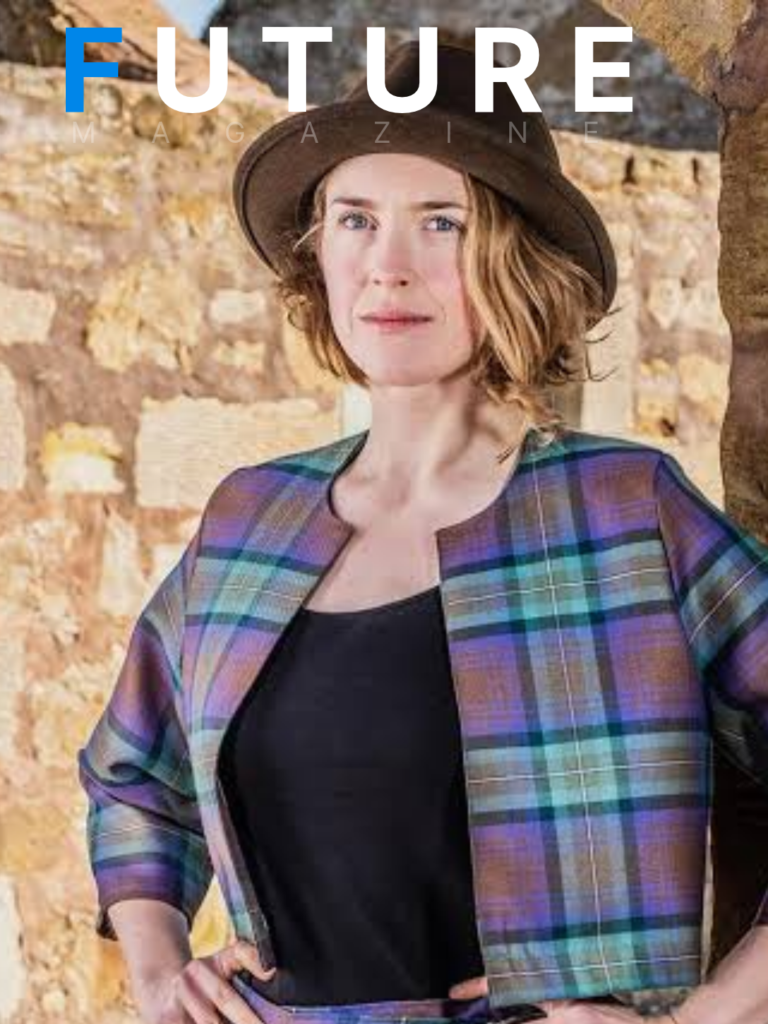

Scottish style is one of the most recognizable and enduring aesthetic traditions in the world. It blends rugged Highland heritage with refined craftsmanship, producing textiles and garments that have influenced global fashion for centuries. Tartan, tweed, cashmere, and the kilt are not merely items of clothing. They are cultural signifiers, carrying centuries of history, clan identity, and rebellion within their threads.
In recent years, interest in Scottish style has surged again. Designers from Vivienne Westwood to Alexander McQueen have drawn on Highland motifs. Heritage brands are reviving traditional weaving techniques. And travelers are seeking out authentic Scottish textiles more than ever. This guide explores what Scottish style actually is, where it comes from, and why it continues to matter.
Quick Facts About Scottish Style
| Attribute | Details |
|---|---|
| Known For | Tartan, tweed, kilts, cashmere, Highland dress |
| Key Textiles | Harris Tweed, Paisley shawls, Shetland wool, cashmere |
| Historical Roots | 16th century Highland dress, 18th century tartan revival |
| National Dress | The kilt, sporran, sgian-dubh, ghillie brogues |
| Global Influence | Chanel tweed, Vivienne Westwood, Alexander McQueen, Burberry |
| Modern Hubs | Edinburgh, Glasgow, Harris and Lewis, Borders region |
| Key Organizations | Harris Tweed Authority, Scottish Tartans Authority |
| Peak Season | Autumn and winter for tweed; all year for tartan |
What Is Scottish Style?
Scottish style refers to the distinctive fashion and textile traditions associated with Scotland, shaped by the country’s climate, geography, and history. It is defined by a small number of powerful elements.
The Core Elements
-
Tartan: A patterned cloth of crossed horizontal and vertical bands, historically associated with Scottish clans.
-
Tweed: A rough, woolen fabric woven in Scotland, most famously Harris Tweed from the Outer Hebrides.
-
The Kilt: A knee-length pleated garment worn as part of Highland dress.
-
Cashmere: A luxurious fiber sourced from cashmere goats, with Scotland historically a major processing center.
-
Knitwear: Fair Isle and Shetland patterns from Scotland’s northern islands.
What unites these elements is a philosophy of durability, function, and quiet ornamentation. Scottish style is not flashy. It is built for weather, work, and longevity.
The History of Scottish Dress
Highland Dress and Clan Tartans
The kilt as it exists today evolved from the earlier feileadh mòr, a long piece of cloth wrapped and belted around the body. By the 16th and 17th centuries, this garment was common in the Scottish Highlands.
Tartan’s association with specific clans developed gradually. The idea of a fixed “clan tartan” is largely a 19th-century invention, popularized by romantic literature and royal patronage. Before that, tartans were regional, and weavers produced whatever patterns local dyes allowed.
The Dress Act of 1746
After the Jacobite rising of 1745, the British government passed the Dress Act of 1746, which banned the wearing of Highland dress, including tartan and the kilt. The ban was intended to suppress Highland identity and dismantle clan structures. It remained in force for 35 years.
The ban had an unintended consequence. It turned Highland dress into a symbol of resistance and heritage rather than everyday clothing. When the act was repealed in 1782, tartan returned as a badge of identity.
The Romantic Revival
In the 19th century, Queen Victoria and Prince Albert fell in love with Scotland. They purchased Balmoral Castle and embraced tartan, kilts, and Highland dress. This royal endorsement transformed Scottish style into a fashionable aesthetic across Britain and beyond. Authors like Sir Walter Scott also played a major role in romanticizing Scotland’s past.
Tartan: Scotland’s Most Recognizable Export
Tartan is the single most identifiable element of Scottish style. Its distinctive grid pattern appears on everything from kilts and scarves to handbags and sneakers.
How Tartan Is Made
Tartan is woven, not printed. Two sets of threads, one horizontal (the weft) and one vertical (the warp), cross at right angles. Where the colors intersect, new shades appear. The pattern is repeated in a specific sequence called a sett.
Traditional tartan uses natural dyes from plants, lichen, and berries. Modern tartans use chemical dyes but follow the same structural principles.
Clan Tartans and Modern Registration
The Scottish Tartans Authority maintains the official register of tartans, which now contains thousands of designs. Some are tied to clans, some to institutions, some to families, and some to commercial brands. Anyone can design and register a new tartan today.
Tartan in Fashion
Tartan has been adopted by designers worldwide. Vivienne Westwood used it to signal punk rebellion. Alexander McQueen, himself of Scottish descent, drew on it repeatedly. Chanel has used tartan in its collections. Burberry built a global brand around a check pattern that draws on tartan aesthetics.
Harris Tweed: The Fabric of the Outer Hebrides
Harris Tweed is one of the most protected and recognizable textiles in the world. It is defined by law.
What Makes Harris Tweed Unique
Under the Harris Tweed Act of 1993, genuine Harris Tweed must meet strict criteria:
-
It must be handwoven by islanders at their homes in the Outer Hebrides.
-
It must be made from pure virgin wool.
-
It must be dyed and spun in the Outer Hebrides.
-
It must be stamped with the official Harris Tweed orb mark.
This legal protection makes Harris Tweed one of the most tightly regulated textiles in the world.
The Orb Mark
The Harris Tweed orb mark, introduced in 1911, is stamped on every piece of genuine Harris Tweed. It certifies authenticity and protects the industry from imitation. The mark depicts a globe surmounted by a cross and is a globally recognized symbol of quality.
Why Harris Tweed Endures
Harris Tweed is prized for its warmth, durability, and water resistance. It is used in jackets, coats, bags, and upholstery. It has been worn by everyone from Winston Churchill to James Bond.
The Kilt: National Dress and Modern Garment
The kilt is the defining garment of Scottish national dress.
Traditional Highland Dress
A full traditional outfit includes:
-
The kilt: A pleated garment, usually in tartan.
-
The sporran: A pouch worn over the kilt, historically for carrying essentials.
-
The sgian-dubh: A small knife tucked into the sock.
-
Ghillie brogues: Traditional shoes with long laces.
-
The kilt jacket: A tailored jacket, often in tweed or black barathea.
When the Kilt Is Worn
The kilt appears at weddings, ceilidhs, Highland games, formal dinners, and graduations. It is also worn by pipers, dancers, and military regiments. The Black Watch, for example, has worn the kilt in service for centuries.
The Kilt in Modern Fashion
Contemporary designers have reworked the kilt for everyday wear. Streetwear brands have released kilt-inspired skirts and wraps. The garment has become popular with musicians, athletes, and fashion-forward men worldwide.
Scottish Knitwear: Fair Isle and Shetland
Scotland’s northern islands produce some of the world’s finest knitwear.
Fair Isle
Fair Isle is a small island between Orkney and Shetland. Its name is now synonymous with a style of stranded colorwork knitting featuring bands of geometric patterns in multiple colors. Fair Isle sweaters are prized for warmth and intricate design.
Shetland Wool
Shetland wool comes from sheep on the Shetland Islands. It is fine, soft, and warm. Shetland lace, knitted from ultra-fine yarn, is famously delicate enough to pass through a wedding ring.
Cashmere and Paisley
Two other Scottish textile traditions deserve mention.
Cashmere
Scotland was historically a major center for cashmere processing, particularly in the Borders region. Scottish cashmere is known for its softness and longevity. Though production has declined, mills like Johnstons of Elgin continue the tradition.
Paisley
Paisley is a town in Renfrewshire that gave its name to a swirling, teardrop-shaped pattern originally from Persia and India. In the 19th century, Paisley became the UK’s leading producer of these shawls. The pattern remains a staple of Scottish textile design.
Contemporary Scottish Designers
Scottish style is not only about heritage. It also has a strong contemporary design culture.
Alexander McQueen was born in Lewisham, London, to a Scottish father and drew heavily on his Scottish heritage. His work often referenced Highland dress, tartan, and rebellion.
Christopher Kane is a Glasgow-born designer known for subversive, experimental fashion. He trained at Central Saint Martins and launched his own label in 2006.
Holly Fulton is an Edinburgh-born designer known for bold prints and Art Deco influences.
Charles Jeffrey LOVERBOY is a Glasgow-born designer whose work blends club culture, performance, and Scottish identity.
These designers show that Scottish style is not frozen in the past. It continues to evolve.
Scottish Style Around the World
Scottish textiles have shaped global fashion far beyond Scotland’s borders.
Chanel’s Tweed: Coco Chanel’s signature tweed suits drew on Scottish tweed, which she discovered through her relationship with the Duke of Westminster. The Chanel tweed jacket remains an icon.
Burberry: The Burberry check is a tartan-derived pattern that has become one of the world’s most recognizable luxury motifs.
Preppy Style: Tartan and tweed became staples of American preppy fashion, worn at Ivy League universities and country clubs.
Japanese Fashion: Japanese brands like Comme des Garçons and Undercover have reinterpreted tartan and kilt silhouettes.
How to Wear Scottish Style Today
If you want to incorporate Scottish style into your wardrobe, here are practical ways to do it.
Start Small
Begin with accessories. A tartan scarf, a tweed cap, or a Fair Isle beanie adds Scottish character without a full commitment.
Invest in Tweed
A well-made Harris Tweed jacket is versatile, durable, and works in both formal and casual settings.
Choose Quality Knitwear
A Shetland or cashmere sweater will last decades if cared for properly.
Consider the Kilt
For formal occasions, a kilt in your family tartan is a meaningful choice. For casual wear, a kilt-inspired skirt or wrap can work well.
Respect the Heritage
Scottish dress carries history. If you wear a clan tartan, know its background. If you wear a kilt, wear it correctly.
Common Misconceptions About Scottish Style
Everyone in Scotland wears a kilt daily. In reality, the kilt is worn for special occasions. Everyday Scottish dress looks like everyday dress anywhere else.
Clan tartans are ancient. The association of specific tartans with specific clans is largely a 19th-century invention.
Tartan and plaid are the same thing. In Scotland, “plaid” refers to a length of tartan cloth worn over the shoulder, not the pattern itself.
Harris Tweed is a brand. Harris Tweed is a protected textile, not a single company. Many weavers and mills produce it under the legal definition.
Key Takeaways
-
Scottish style is built on tartan, tweed, the kilt, and fine knitwear.
-
Tartan’s clan associations are largely a 19th-century invention, not ancient tradition.
-
Harris Tweed is legally protected and must be handwoven in the Outer Hebrides.
-
The kilt is worn for formal occasions, not daily life.
-
Scottish textiles have influenced global fashion, from Chanel to Burberry.
-
Contemporary Scottish designers continue to reinterpret the tradition.
FAQ Section
What is Scottish style?
Scottish style refers to the fashion and textile traditions of Scotland, including tartan, tweed, kilts, cashmere, and Fair Isle knitwear.
What is the most iconic Scottish fabric?
Tartan is the most recognizable, followed closely by Harris Tweed.
What is Harris Tweed?
Harris Tweed is a legally protected woolen fabric handwoven by islanders in the Outer Hebrides. It is certified with the official orb mark.
Do Scottish people wear kilts every day?
No. The kilt is worn for formal occasions, weddings, Highland games, and ceremonies. Everyday Scottish dress is similar to everyday dress elsewhere.
Are clan tartans ancient?
No. The idea of fixed clan tartans is largely a 19th-century invention. Before that, tartans were regional.
What is the difference between tartan and plaid?
In Scotland, “plaid” refers to a length of tartan cloth worn over the shoulder, not the pattern itself.
Who are the most famous Scottish fashion designers?
Alexander McQueen, Christopher Kane, Holly Fulton, and Charles Jeffrey LOVERBOY are among the most prominent.
How has Scottish style influenced global fashion?
Chanel’s tweed, Burberry’s check, and preppy American style all draw on Scottish textile traditions.
What is Fair Isle?
Fair Isle is a style of stranded colorwork knitting from the Shetland Islands, featuring bands of geometric patterns.
Where can I buy authentic Scottish textiles?
Look for the Harris Tweed orb mark, buy from established mills like Johnstons of Elgin, and check for “Made in Scotland” labeling.